It could be James on the beach. It could be. It could be very fresh and clear.
A nearly forgotten encounter serves as the point of departure for this exhibition: an afternoon in September 1933 when James Ensor and Albert Einstein met for a brief conversation in De Haan. Only a few photographs remain from that meeting, which would later help inspire Robert Wilson and Philip Glass’s opera Einstein on the Beach (1976). The exhibition itself starts with a painting from Ensor’s Chinoiseries series (1907) from the collection of Museum Dhondt-Dhaenens, which serves as point of departure.
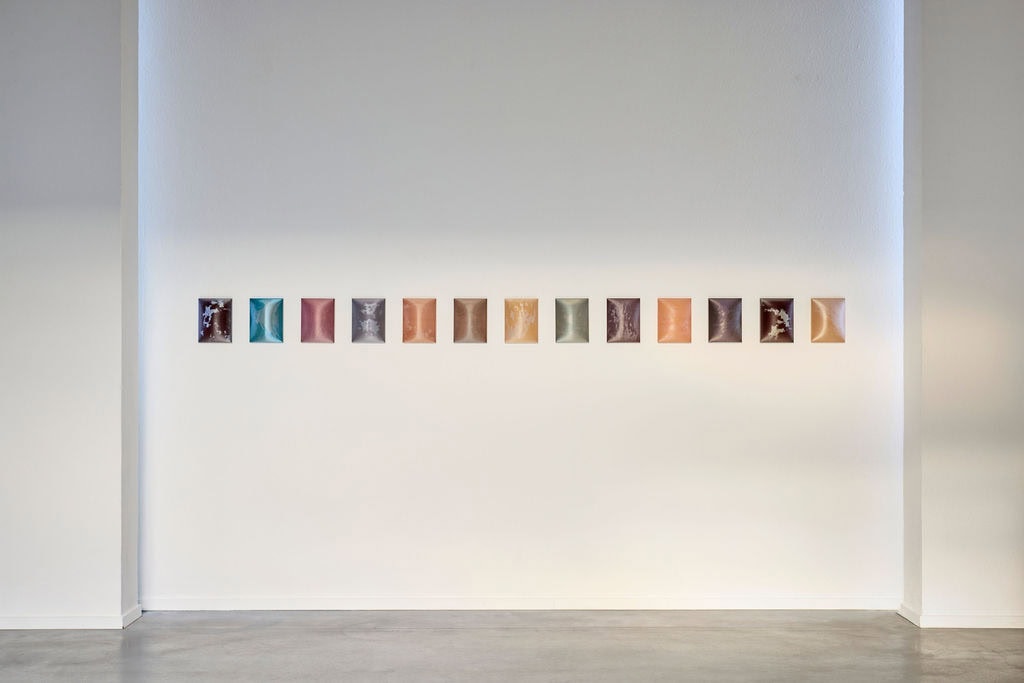
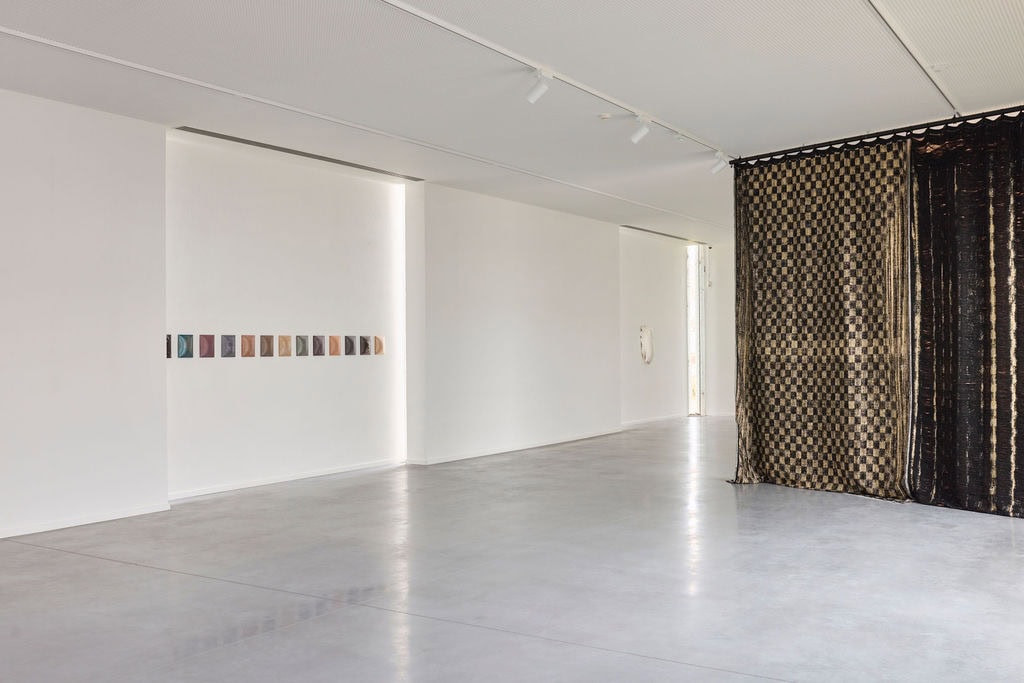
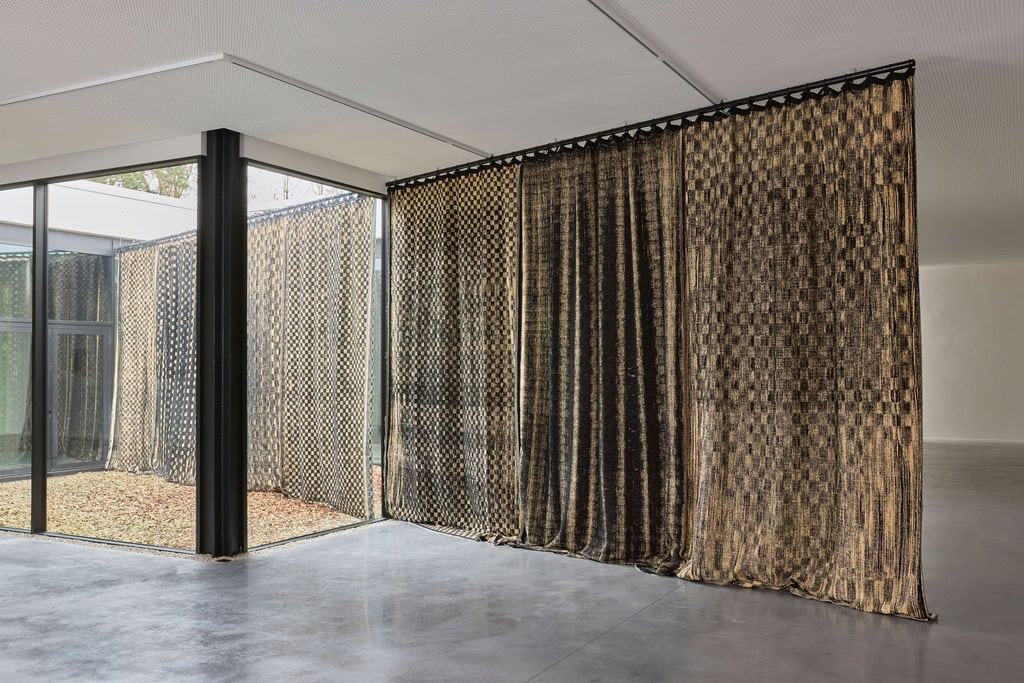
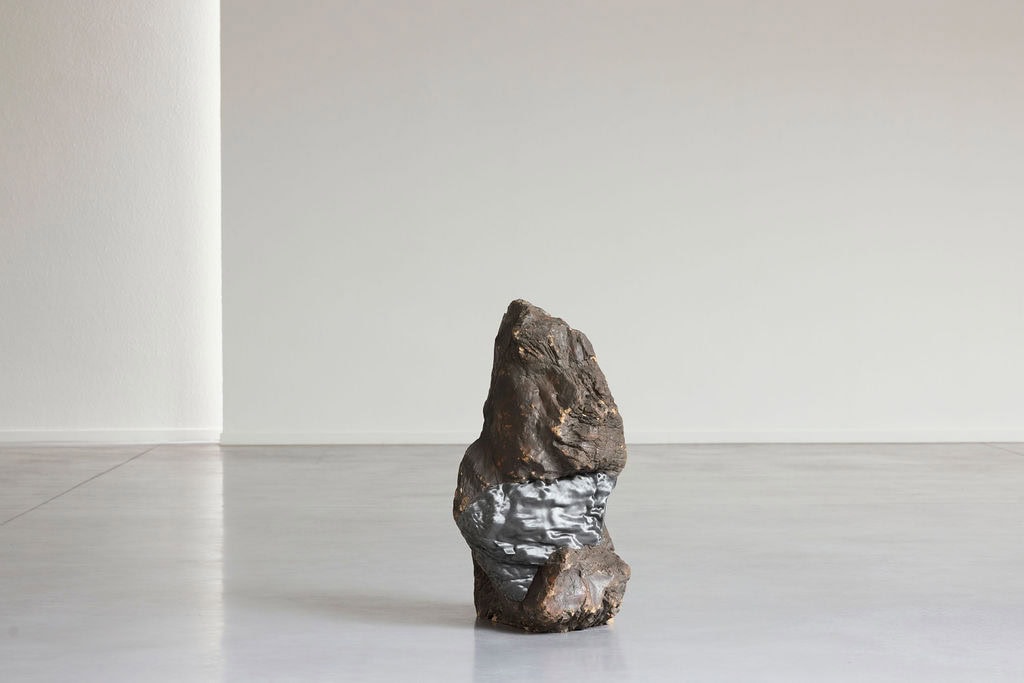
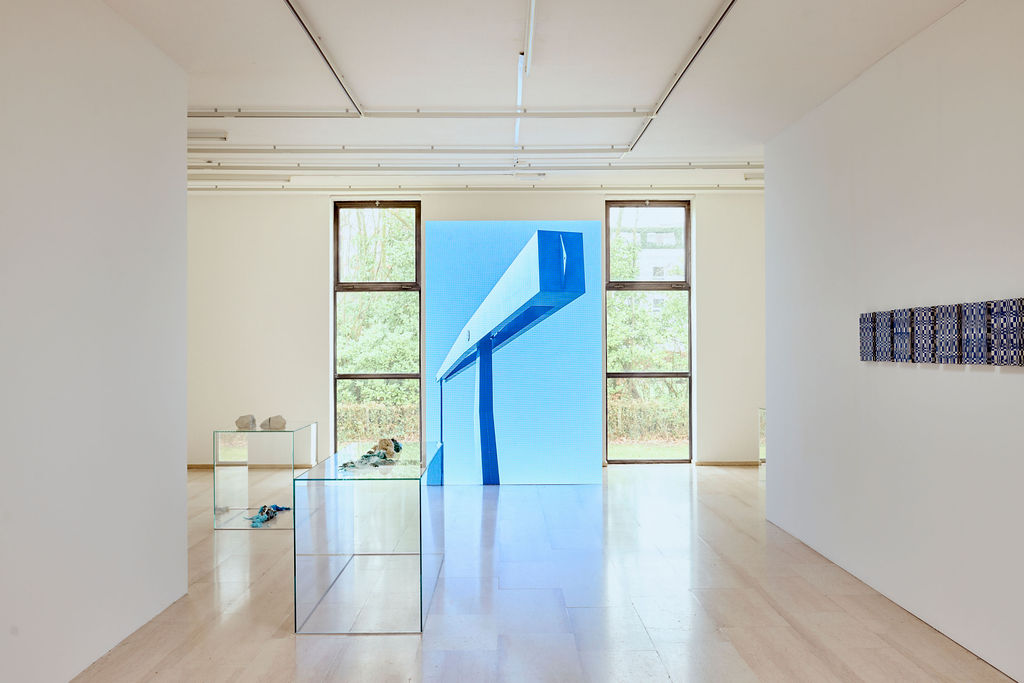
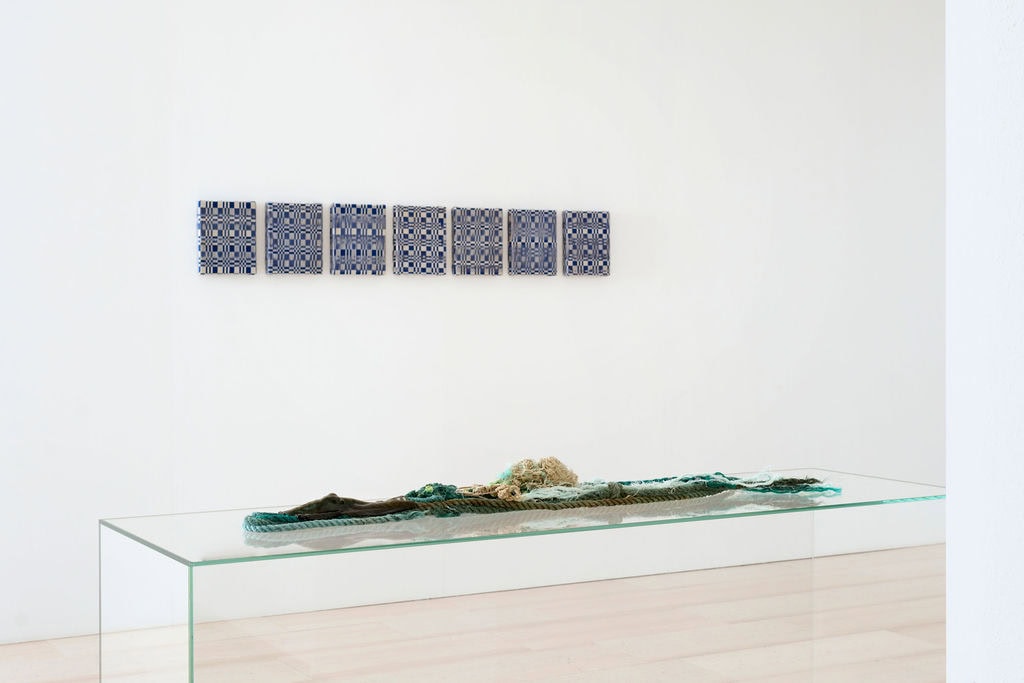
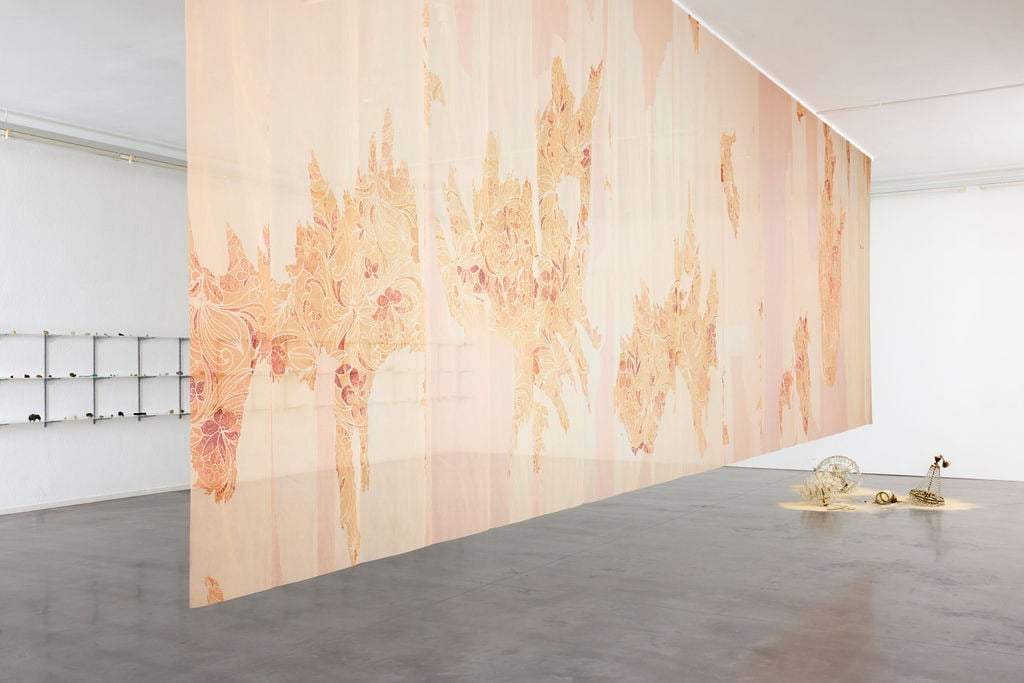
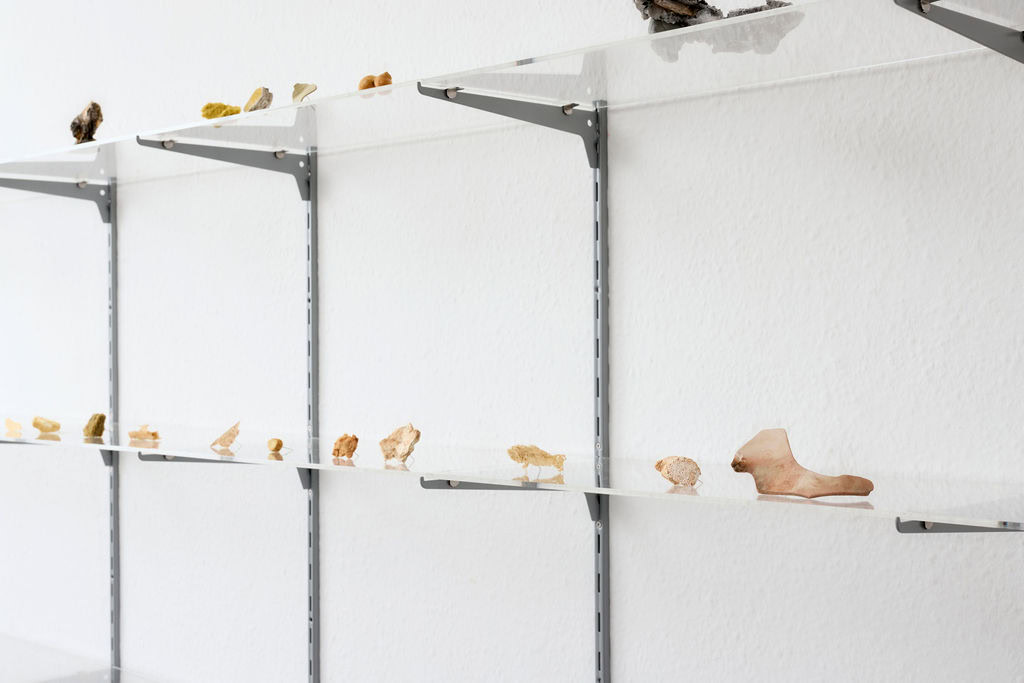
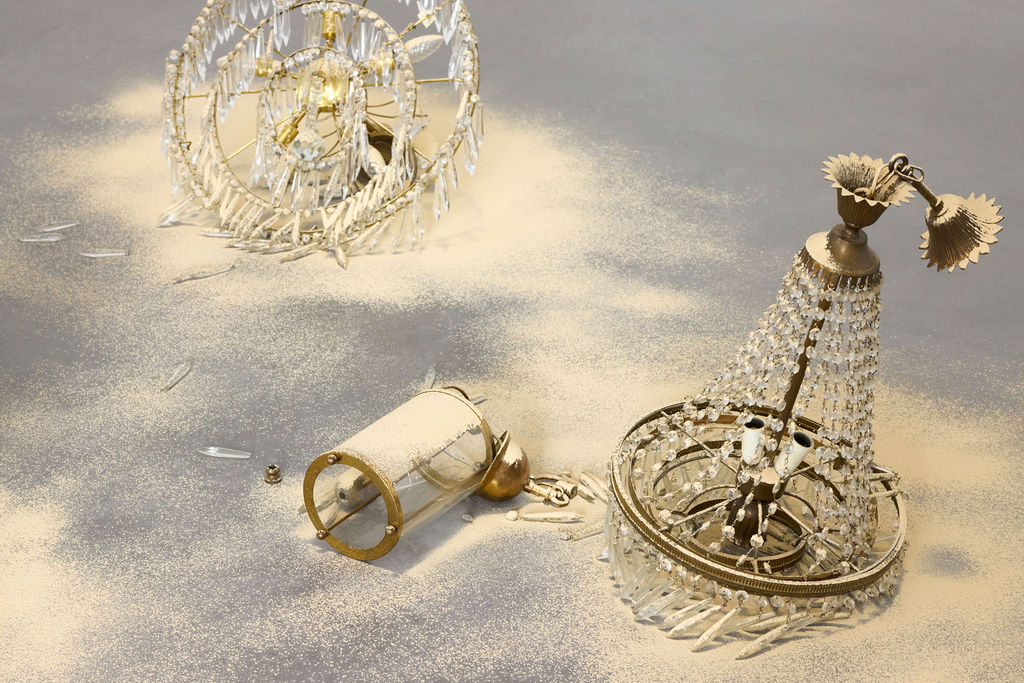
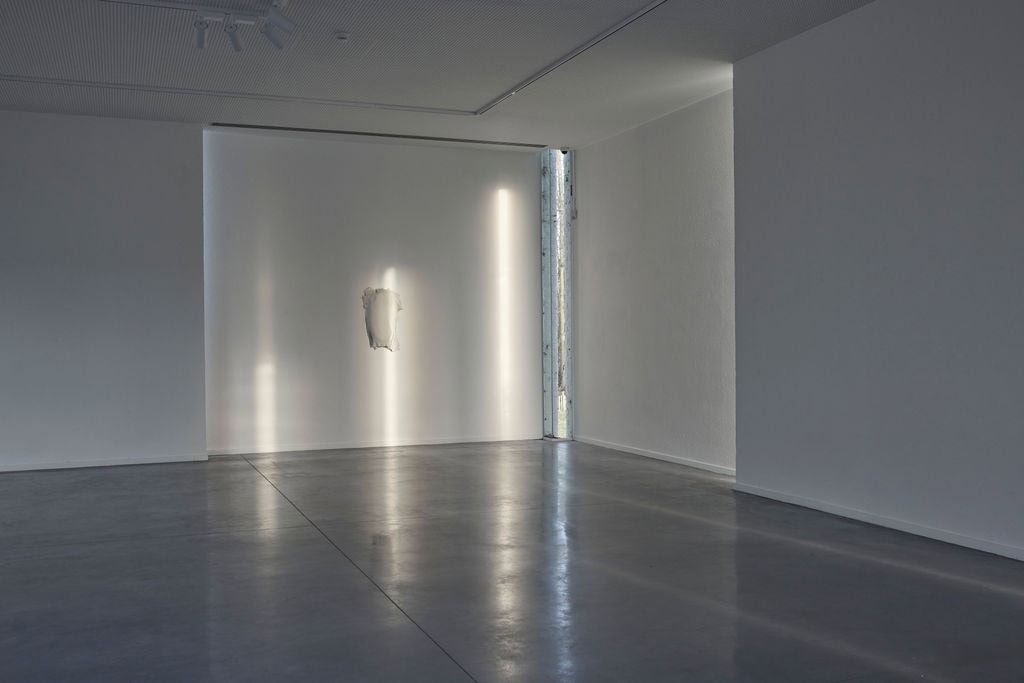
Unfolding throughout the museum, Dekyndt presents new works produced over the last two years using veils bearing traces of torn wallpaper, textiles, wood, 3D prints, glass, ceramics, marine creatures, and intersections of historical and contemporary technologies, including AI. The works carry layered memories: the mathematics embedded in weaving (the loom as the first binary machine), the passage of time, and the violent shadow of Hiroshima as an ultimate catastrophe embodying Western technological thinking.
Between Ensor and Einstein runs a shared tension—a movement from an old world marked by colonial perspectives toward a modern world where science revealed the possibility of our own destruction. The exhibition makes this transition perceptible through the presence of things, the slowness, color, and texture of materials, and the silence they leave. By linking the local history of Flanders with larger ecological, political, and technological themes, the exhibition connects the intimate with the planetary, the micro- and macrocosms of life.
In 1999, Edith Dekyndt stated: « Things happen to things. » This observation has guided since then her practice of observing, researching, and analyzing materials. The result is a quiet, yet deliberate political stance expressed through material poetics that oscillate between fragility and brutality. Like a musical fugue, the exhibition unfolds through repetition and variation, returning to fundamental oppositions: organic and inorganic, control and chance, presence and disappearance. In addition, the museum team and artist also developed a collection presentation with works by three Flemish artists who accepted Joseph Goebbels’s invitation for a study trip to Nazi Germany in 1940.